1. Protecting Biodiversity:
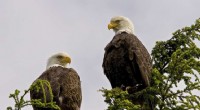
* Preserving habitats: Protecting forests, grasslands, wetlands, coral reefs, and other ecosystems to safeguard the diverse species that depend on them.
* Species conservation: Efforts to protect endangered and threatened species from extinction through habitat restoration, population management, and anti-poaching measures.
* Genetic diversity: Maintaining a variety of genetic traits within species to enhance resilience and adaptation to changing environments.
2. Managing Natural Resources:
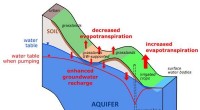
* Water conservation: Efficient use of water resources through measures like drought-resistant landscaping, water-saving appliances, and reducing water waste.
* Energy conservation: Reducing energy consumption through energy-efficient technologies, renewable energy sources, and behavioral changes.
* Forest conservation: Sustainable forestry practices, reforestation, and preventing deforestation to maintain forest ecosystems and their ecological services.
* Soil conservation: Protecting soil health through practices like crop rotation, no-till farming, and reducing erosion.
3. Sustainable Practices:
* Responsible tourism: Minimizing the environmental impact of tourism through sustainable practices, eco-friendly accommodations, and responsible visitor behavior.
* Sustainable agriculture: Farming methods that minimize environmental impact, conserve soil, and promote biodiversity.
* Green building: Designing and constructing buildings with energy efficiency, water conservation, and minimal environmental footprint.
4. Addressing Climate Change:
* Reducing greenhouse gas emissions: Transitioning to renewable energy sources, improving energy efficiency, and implementing carbon capture technologies.
* Climate adaptation: Preparing for the impacts of climate change through measures like sea level rise adaptation, drought mitigation, and extreme weather preparedness.
5. Public Awareness and Education:
* Promoting conservation values: Educating the public about the importance of conservation and inspiring individuals to make sustainable choices.
* Engaging communities: Involving local communities in conservation efforts to build ownership and support.
It's important to note that conservation is not just about protecting nature for its own sake, but also about ensuring the well-being of humanity. Healthy ecosystems provide essential services like clean air and water, food security, and climate regulation, which are fundamental to human survival and prosperity.