Here's why:
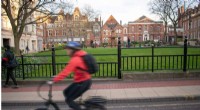
* Precipitation: Temperate deciduous forests receive moderate to high amounts of precipitation, typically between 30 and 60 inches per year. This allows for the growth of tall trees that lose their leaves in the fall.
* Other factors: While precipitation is a major factor, temperature also plays a role. These forests experience distinct seasons with warm summers and cold winters.
Here's a breakdown of how other biomes are influenced by precipitation:
* Tropical rainforest: These biomes receive the highest amounts of precipitation, often exceeding 100 inches per year.
* Desert: Deserts receive the lowest amount of precipitation, typically less than 10 inches per year.
* Grassland: Grasslands receive moderate precipitation, but less than temperate deciduous forests, usually between 10 and 30 inches per year.
* Tundra: The tundra receives very little precipitation, but is also very cold and has permafrost (permanently frozen ground).
Therefore, while precipitation is a key factor in determining a biome, it's not the only factor. Other influences include temperature, soil type, and elevation.