Explanation:
* Specific Heat Capacity: Water has a higher specific heat capacity than soil. This means that water requires more energy to raise its temperature by a certain amount compared to soil. Consequently, water also releases more energy when it cools down.
* Heat Transfer: Water is a better conductor of heat than soil. This means that heat can move through water more easily, allowing it to distribute and retain heat more effectively.
* Evaporation: Water has a higher latent heat of vaporization than soil. This means that it takes more energy to evaporate water than to evaporate water from soil. This property contributes to water's ability to retain heat.
Practical Examples:
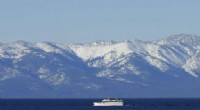
* Coastal Areas: Coastal regions tend to have more moderate temperatures than inland areas because the large bodies of water absorb and release heat slowly, moderating temperature fluctuations.
* Gardening: Watering plants helps to maintain soil moisture and prevent extreme temperature fluctuations, which can damage roots.
* Climate Change: The vast amount of water in the oceans plays a significant role in regulating global temperatures and absorbing excess heat from the atmosphere.
Conclusion:
Due to its higher specific heat capacity, better heat conductivity, and higher latent heat of vaporization, water holds its heat longer than soil.