Biodiversity:
* Species: It's home to around 10% of the world's known species, including thousands of plants, animals, insects, fungi, and microorganisms.
* Trees: Over 16,000 different tree species.
* Animals: From jaguars, monkeys, and macaws to sloths, piranhas, and countless insects.
* Plants: Medicinal plants, fruits, and rubber trees.
Geography & Environment:
* Size: It's the largest rainforest in the world, spanning over 5.5 million square kilometers (2.1 million square miles).
* Location: Covers portions of nine countries, primarily Brazil, Peru, Colombia, and Bolivia.
* Rivers: The Amazon River is the world's largest river by volume, and the rainforest is home to thousands of tributaries.
* Climate: Tropical climate with high humidity and abundant rainfall.
Importance:
* Climate regulation: Acts as a giant carbon sink, absorbing huge amounts of carbon dioxide.
* Biodiversity hotspot: Provides crucial habitat for countless species.
* Source of resources: Provides food, medicine, timber, and other resources.
* Cultural significance: Home to indigenous communities with unique cultures and traditions.
Threats:
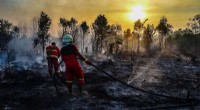
* Deforestation: Land clearing for agriculture, logging, and mining is a major threat.
* Climate change: Rising temperatures and changing precipitation patterns can harm the rainforest.
* Pollution: Industrial and agricultural pollution can contaminate the rivers and soil.
To truly understand the richness of the Amazon Rainforest, you'll need to explore it through documentaries, research, and perhaps even a visit!