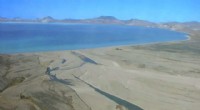
* Bare Rock: Primary succession begins with bare rock, like after a volcanic eruption or glacial retreat. This rock is lifeless and lacks nutrients.
* Pioneer Species: Hardy organisms like lichens and mosses, called pioneer species, are the first to colonize the rock. They break down the rock, creating a thin layer of soil.
* Soil Development: Over time, the decomposition of pioneer species and the weathering of rock contribute to soil formation. This soil, while still thin and poor in nutrients, is a significant step.
* More Life: As soil develops, other plants can start to grow, followed by insects, small animals, and eventually larger animals. The soil provides essential nutrients and a substrate for roots.
In essence, the soil in primary succession establishes:
* A base for plant life: Plants are the foundation of most ecosystems, providing food and shelter for other organisms.
* A nutrient reservoir: Soil holds nutrients that are essential for plant growth and, by extension, the whole ecosystem.
* A stable structure: Soil provides a physical structure that supports plant roots and helps to prevent erosion.
Key points to remember:
* Primary succession is a slow process that can take hundreds or even thousands of years.
* The soil in primary succession is constantly changing and evolving as the ecosystem develops.
Let me know if you'd like to know more about primary ecological succession or any other ecological concepts!