1. Shaping Landscapes:
* Erosion: Weathering weakens rock, making it susceptible to erosion by wind, water, and ice. This erosion sculpts plateaus, creating canyons, mesas, buttes, and other distinctive landforms.
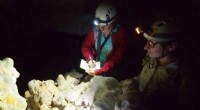
* Differential Weathering: Different rock types weather at different rates. This leads to the formation of unique geological features such as cliffs, caves, and rock shelters.
* Formation of Plateaus: The very existence of plateaus is often a result of weathering and erosion, where resistant rock layers resist weathering more effectively than surrounding areas, leaving them elevated.
2. Soil Formation and Composition:
* Parent Material: Weathering breaks down bedrock, providing the raw material for soil formation. The type of rock and its weathering products influence the soil's composition and fertility.
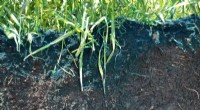
* Soil Development: Weathering processes create various soil horizons, each with distinct properties. These horizons influence water retention, nutrient cycling, and plant growth.
* Nutrient Release: Chemical weathering releases nutrients from rocks, making them available for plant uptake. This is crucial for supporting the diverse plant communities found in plateau ecosystems.
3. Influence on Ecosystems:
* Habitat Diversity: Weathering and erosion create a variety of microhabitats within plateaus, supporting diverse flora and fauna. Canyons, rock outcrops, and soil variations provide unique niches for specialized organisms.
* Water Availability: Weathering affects water infiltration and runoff patterns. In some cases, weathering can create depressions that collect water, leading to the development of springs and wetlands.
* Plant Adaptation: Plateau plants have evolved adaptations to deal with the effects of weathering, such as drought tolerance, shallow root systems, and specialized nutrient uptake mechanisms.
Specific Examples:
* Colorado Plateau: Weathering has carved the iconic canyons of the Colorado Plateau, revealing layers of sedimentary rock and creating a diverse ecosystem.
* Tibetan Plateau: The high elevation and cold climate of the Tibetan Plateau promote physical weathering, which has resulted in the formation of deep valleys and the release of nutrients that support unique alpine ecosystems.
Overall:
Weathering is a fundamental process that has shaped the landscapes, soils, and ecosystems of plateau ecoregions. It continues to influence the environment today, creating dynamic and constantly evolving landscapes. Understanding the role of weathering is crucial for appreciating the unique biodiversity and ecological processes that characterize these fascinating landscapes.