1. Altitude and Temperature:
* Decreasing Temperature: As you ascend a mountain, the air becomes thinner and less dense. This means there are fewer air molecules to absorb and retain heat, leading to a decrease in temperature at a rate of roughly 6.5°C per 1000 meters (3.5°F per 1000 feet) - a phenomenon known as the Lapse Rate.
* Freezing Line: Because of the decreasing temperature, mountains have a distinct freezing line, which is the altitude above which temperatures are below freezing. This line varies depending on latitude, season, and specific mountain range.
2. Precipitation and Wind:
* Orographic Precipitation: Mountains act as barriers to air movement, forcing moist air to rise. As the air rises, it cools, leading to condensation and precipitation on the windward side of the mountain. This is known as orographic precipitation, which can result in significant snowfall in high-altitude regions.
* Rain Shadow Effect: The air on the leeward side of the mountain is drier due to the loss of moisture on the windward side. This leads to a rain shadow effect, where the leeward side experiences less precipitation, creating a drier climate.
* Enhanced Winds: Wind speeds are often higher at high altitudes due to less friction with the ground, further impacting local weather patterns.
3. Sunlight and Radiation:
* Increased Solar Radiation: The higher elevation means mountains receive more direct sunlight and less atmospheric absorption, resulting in stronger solar radiation.
* Albedo Effect: Glaciers and snow cover at high altitudes reflect a significant amount of sunlight (high albedo), contributing to a cooler local environment.
4. Microclimates and Localized Variations:
* Variations in Slope and Aspect: Mountains have complex topography with different slopes and aspects (directions facing the sun). This creates microclimates with varying temperature, precipitation, and wind patterns.
* Valley and Ridge Systems: Mountain valleys can trap cold air, while ridges experience higher wind speeds and lower temperatures.
5. Glacial and Periglacial Processes:
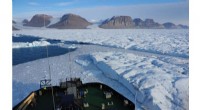
* Glacier Formation: The combination of cold temperatures and significant precipitation can lead to the formation of glaciers, which sculpt the mountain landscape and influence local climate.
* Periglacial Environments: Below the glaciers, areas with permafrost and other frozen ground conditions create distinctive periglacial landscapes with unique weather patterns and plant life.
Impacts on Biodiversity and Human Life:
* Altitude Zonation: The dramatic changes in climate with altitude lead to distinct vegetation zones, from forests at lower elevations to alpine meadows and snowfields at the highest points.
* Limited Habitats: The harsh conditions at high altitudes limit the number of species that can survive, creating unique and diverse ecosystems.
* Human Adaptations: People who live in mountainous regions have developed unique adaptations to the challenges of high altitude, including specialized clothing, food, and building techniques.
In conclusion, mountains have a significant impact on climate, creating diverse and often extreme environments that vary greatly with altitude. These variations in climate have shaped the physical landscape, biodiversity, and human interactions in mountainous regions.