Here's a breakdown of what it means:
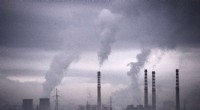
Air pollution-free:
* Clean air to breathe: Absence of pollutants like particulate matter, ozone, carbon monoxide, sulfur dioxide, and nitrogen oxides.
* Reduced greenhouse gas emissions: This helps mitigate climate change and its negative effects.
Water pollution-free:
* Safe drinking water: Free from harmful bacteria, chemicals, and pollutants.
* Healthy aquatic ecosystems: Abundant marine life and thriving underwater environments.
* No contamination of water sources: Rivers, lakes, and oceans are pristine.
Land pollution-free:
* Healthy soil: Rich in nutrients and free from harmful chemicals and waste.
* Reduced waste: Proper waste management and recycling practices minimize landfills.
* Safe and sustainable agriculture: No use of harmful pesticides or fertilizers.
Benefits of a pollution-free environment:
* Improved human health: Reduced respiratory illnesses, cardiovascular problems, and cancer rates.
* Thriving ecosystems: Increased biodiversity and healthy wildlife populations.
* Climate change mitigation: Reduced greenhouse gas emissions and slowed global warming.
* Enhanced economic development: Tourism, recreation, and agriculture thrive in clean environments.
* Sustainable future: Preserves natural resources for future generations.
Achieving a pollution-free environment requires:
* Individual actions: Reducing personal consumption, using sustainable transportation, and making conscious choices.
* Government policies: Implementing regulations and incentives to promote clean technologies and industries.
* Industry responsibility: Adopting environmentally friendly practices and reducing pollution output.
* Community engagement: Educating the public and promoting environmental awareness.
While a completely pollution-free environment might be an idealistic goal, striving for cleaner and healthier environments is essential for the well-being of our planet and future generations.