Direct Impacts:
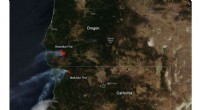
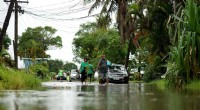
* Extreme weather events: Rising temperatures, increased frequency and intensity of hurricanes, droughts, floods, and wildfires pose significant risks to life and property. These events can cause displacement, food shortages, disease outbreaks, and economic hardship.
* Food security: Climate change impacts agricultural productivity, leading to crop failures, livestock losses, and food price volatility. This can result in food insecurity, malnutrition, and hunger.
* Water scarcity: Increased temperatures and altered precipitation patterns contribute to water stress, leading to water shortages for drinking, irrigation, and sanitation, especially in arid and semi-arid regions.
* Health: Heatwaves, extreme weather events, and changes in disease vectors can lead to heatstroke, respiratory illnesses, and the spread of infectious diseases.
* Sea level rise: Coastal communities face the threat of inundation, erosion, and saltwater intrusion, displacing populations and impacting infrastructure.
Indirect Impacts:
* Migration and displacement: Climate change can drive migration, as people flee areas affected by extreme weather events, resource scarcity, or rising sea levels.
* Economic impacts: Climate change can disrupt industries like agriculture, tourism, and fishing, leading to job losses and economic instability.
* Social and political instability: Competition over scarce resources, displacement, and economic hardship can contribute to social unrest and political instability.
* Environmental degradation: Climate change contributes to biodiversity loss, deforestation, and desertification, impacting ecosystems and human livelihoods.
Impacts Vary by Region and Population:
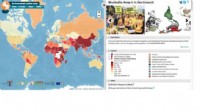
It's important to note that the impacts of climate change are not felt equally. Vulnerable populations, particularly those in developing countries, are often disproportionately affected by climate change due to limited resources and adaptive capacity.
Adapting and Mitigating:
Responding to the challenges of climate change requires a multifaceted approach:
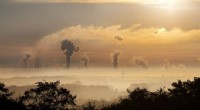
* Mitigation: Reducing greenhouse gas emissions through transitioning to renewable energy sources, improving energy efficiency, and promoting sustainable land use practices.
* Adaptation: Adjusting to the impacts of climate change through measures like early warning systems, resilient infrastructure, drought-resistant crops, and climate-smart agriculture.
* Building resilience: Strengthening communities' capacity to cope with climate change impacts through community-based adaptation initiatives, social safety nets, and disaster risk reduction programs.
Overall, climate change poses a significant challenge to human societies. Understanding its multifaceted impacts and taking appropriate mitigation and adaptation measures is crucial for ensuring a sustainable future for all.