Soil:
* Poorly drained: The cold climate and permafrost (permanently frozen ground) lead to poor drainage, creating waterlogged conditions.
* Acidic: Decomposition of coniferous needles releases acidic compounds, making the soil acidic.
* Thin and nutrient-poor: The cold temperatures slow down decomposition rates, resulting in slow soil formation and low nutrient content.
* Humus layer: A thick layer of partially decayed organic matter (humus) forms on the surface.
Topography:
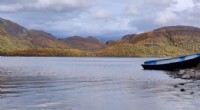
* Rolling hills and plateaus: The landscape is often rolling, with hills and plateaus interspersed with valleys and depressions.
* Glacial features: Evidence of past glaciation is common, with features like moraines, eskers, and kettle lakes.
* Waterlogged areas: Bogs, muskegs, and swamps are frequent, reflecting the poor drainage.
Vegetation:
* Coniferous trees: Dominated by coniferous trees like spruce, fir, pine, and larch.
* Sparse understory: The understory is sparse due to the limited sunlight reaching the forest floor.
* Mosses and lichens: Mosses and lichens thrive in the damp, acidic conditions.
* Low-growing shrubs: Some low-growing shrubs like blueberry and cranberry may be present.
Other features:
* Permafrost: Permafrost is common in many subarctic coniferous forests, leading to the formation of frost heave features and affecting the types of plants and animals that can survive.
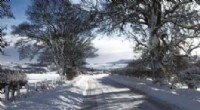
* Extreme temperatures: Subarctic coniferous forests experience long, cold winters with heavy snowfall and short, cool summers.
* Low biodiversity: The harsh conditions limit the diversity of plants and animals that can thrive in these forests.
In summary, the land in a subarctic coniferous forest is characterized by poor soil, cold climate, and a limited range of plants and animals adapted to these conditions. The landscape is often rolling with evidence of glacial activity and waterlogged areas.