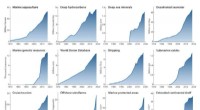
1. Overpopulation and Consumption: As the human population grows, so does the demand for resources, leading to increased resource depletion, pollution, and habitat loss. Overconsumption by affluent societies also puts a heavy strain on the planet's resources.
2. Unsustainable Consumption Patterns: Our modern lifestyles, driven by consumerism and disposable goods, are highly unsustainable. We use vast amounts of energy, produce excessive waste, and rely on unsustainable practices like deforestation and intensive agriculture.
3. Pollution: Air, water, and land pollution are major environmental problems caused by industrial activities, transportation, agriculture, and waste disposal. These pollutants have harmful effects on ecosystems, human health, and climate change.
4. Habitat Loss and Degradation: Deforestation, urbanization, and agricultural expansion destroy and fragment natural habitats, leading to biodiversity loss, ecosystem instability, and climate change.
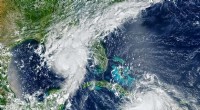
5. Climate Change: Greenhouse gas emissions, primarily from burning fossil fuels, trap heat in the atmosphere, causing global warming and its associated effects like rising sea levels, extreme weather events, and ocean acidification.
These five categories are interconnected and contribute to various environmental problems in different ways. Addressing these issues requires a multi-pronged approach that involves individual, societal, and global action.