1. Weathering: This is the process of breaking down rocks, soil, and minerals through contact with the Earth's atmosphere, biota, and water. There are two main types of weathering:
* Physical weathering: This involves the mechanical breakdown of rocks into smaller pieces without changing their chemical composition. Examples include frost wedging, thermal expansion and contraction, and abrasion.
* Chemical weathering: This involves the chemical alteration of rocks, minerals, and soil, leading to their decomposition. Examples include oxidation, hydrolysis, and carbonation.
2. Erosion: This is the process of transporting weathered material from one location to another. It is driven by various agents, including:
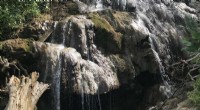
* Water: Rivers, oceans, and rain can carry away eroded material.
* Wind: Strong winds can transport sand, dust, and other loose material.
* Ice: Glaciers can carve out valleys and transport large amounts of rock and sediment.
* Gravity: Mass wasting processes like landslides and rockfalls can move material downhill.
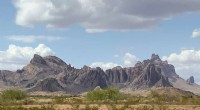
These two processes constantly interact, shaping and reshaping the Earth's surface over time.