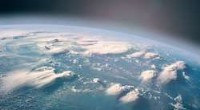
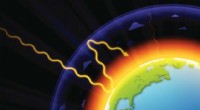
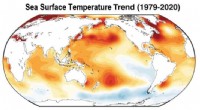
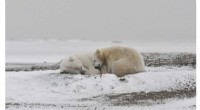
1. Climate Change: This is arguably the most pressing environmental challenge. It refers to the long-term shift in global weather patterns caused primarily by the release of greenhouse gases from human activities, particularly the burning of fossil fuels. The consequences of climate change are far-reaching and include:
* Rising global temperatures: Leading to more extreme weather events, including heatwaves, droughts, floods, and storms.
* Sea level rise: Threatening coastal communities and ecosystems.
* Changes in precipitation patterns: Affecting water resources and agriculture.
* Loss of biodiversity: Putting ecosystems and species at risk.
2. Loss of Biodiversity: This refers to the decline in the variety and abundance of life on Earth, including plants, animals, fungi, and microorganisms. This is caused by various factors, including:
* Habitat loss and fragmentation: Due to deforestation, urbanization, and agricultural expansion.
* Pollution: From air, water, and soil contamination.
* Overexploitation: Of natural resources, such as fishing and logging.
* Climate change: Changing habitats and creating stresses on species.
Loss of biodiversity has severe consequences, including:
* Decreased ecosystem services: Such as pollination, water purification, and climate regulation.
* Increased vulnerability to disease outbreaks: Reduced biodiversity can lead to a decrease in the natural resistance of ecosystems to disease.
* Loss of potential resources: Biodiversity holds vast potential for future food, medicine, and other resources.
These two challenges are interconnected, as climate change contributes to biodiversity loss, and the loss of biodiversity can exacerbate climate change. Addressing these challenges requires global cooperation, innovation, and significant changes in how we live and interact with the environment.