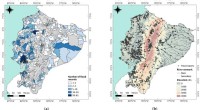
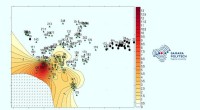
1. Geology: The study of the Earth's solid, non-living components, including rocks, minerals, landforms, and the processes that shape them. Geologists analyze Earth's history, understand its structure, and investigate natural hazards like earthquakes and volcanic eruptions.
2. Oceanography: The study of the Earth's oceans, focusing on their physical properties, chemical composition, marine life, and interactions with the atmosphere. Oceanography encompasses areas like marine biology, ocean currents, and the impact of climate change on the oceans.
3. Meteorology: The study of the Earth's atmosphere, including weather patterns, climate, and atmospheric phenomena like storms, wind, and precipitation. Meteorologists forecast weather conditions and research climate change and its effects.
4. Astronomy: While not strictly Earth science, it is closely related due to Earth's position in the solar system. Astronomy involves the study of celestial objects, including stars, planets, galaxies, and the universe as a whole. It helps us understand Earth's place in the cosmos and the forces that govern its existence.