1. Uneven Heating:
* Latitude: The Earth's curved shape means different latitudes receive varying amounts of solar radiation. The equator receives the most direct sunlight, leading to higher temperatures, while the poles receive less direct sunlight, resulting in colder temperatures.
* Land and Water: Land heats up and cools down faster than water. This creates temperature differences between landmasses and oceans, influencing air movement and weather patterns.
* Altitude: Air cools as it rises, leading to condensation and precipitation in mountainous regions.
2. Atmospheric Circulation:
* Convection: The uneven heating creates air pressure differences. Warm, less dense air rises, while cool, denser air sinks, leading to convection currents.
* Coriolis Effect: Due to the Earth's rotation, air currents are deflected to the right in the Northern Hemisphere and to the left in the Southern Hemisphere, creating large-scale circulation patterns like jet streams.
* Wind: The movement of air from areas of high pressure to low pressure, driven by temperature differences and the Coriolis Effect.
3. Water Cycle:
* Evaporation: Heat from the sun causes water to evaporate from oceans, lakes, and rivers, turning into water vapor in the atmosphere.
* Condensation: As water vapor cools, it condenses back into liquid water, forming clouds.
* Precipitation: When the condensed water droplets become too heavy, they fall back to Earth as rain, snow, sleet, or hail.
4. Other Factors:
* Topography: Mountains and valleys influence wind patterns and precipitation.
* Human Activities: Air pollution and greenhouse gas emissions can affect climate and weather patterns.
Here's a breakdown of specific weather phenomena and their causes:
* Rain: Caused by rising air cooling and condensing, leading to precipitation.
* Snow: Occurs when temperatures are below freezing, causing water vapor to condense directly into ice crystals.
* Thunderstorms: Powerful storms caused by rising warm, moist air that creates instability and intense updrafts and downdrafts.
* Hurricanes: Large, rotating storms over warm ocean waters, fueled by the release of heat from condensation.
* Tornadoes: Violent, rotating columns of air that form when a thunderstorm encounters strong wind shear.
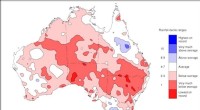
* Droughts: Prolonged periods of below-average rainfall, often caused by shifts in atmospheric circulation patterns.
* Heat Waves: Extended periods of abnormally high temperatures, often due to stagnant air masses or changes in atmospheric circulation.
These are just some examples, and the interplay of these factors leads to a vast array of weather patterns and phenomena around the globe.