Here's a breakdown of what soil erosion is and the key factors involved:
What is Soil Erosion?
Soil erosion is the process where the top layer of soil is removed from the Earth's surface. It's a natural process, but human activities can accelerate it significantly.
Key Factors:
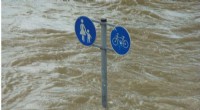
* Water: Rain and flowing water are the most common agents of soil erosion. As water runs over the land, it can pick up and carry away soil particles. This is especially pronounced in areas with steep slopes, sparse vegetation, and intense rainfall.
* Wind: Wind can also erode soil, especially in dry and arid regions. Strong winds can pick up loose soil and transport it to other locations.
* Human Activities: Activities like deforestation, agriculture, construction, and mining can disrupt the natural balance of the soil and make it more vulnerable to erosion.
* Climate: Climate change can exacerbate soil erosion by altering rainfall patterns and increasing the frequency and intensity of storms.
Types of Soil Erosion:
* Sheet erosion: The uniform removal of a thin layer of soil from a large area.
* Rill erosion: The formation of small channels in the soil by running water.
* Gully erosion: The formation of deep channels or ravines by water.
* Wind erosion: The removal of soil by wind, often in the form of dust storms.
Consequences of Soil Erosion:
* Loss of fertile land: Soil erosion reduces the productivity of land and can make it unsuitable for agriculture.
* Water pollution: Eroded soil can pollute waterways and harm aquatic life.
* Desertification: In extreme cases, soil erosion can lead to the desertification of land.
* Sedimentation: Eroded soil can accumulate in rivers, lakes, and reservoirs, reducing their capacity and causing flooding.
Prevention and Control:
* Conservation tillage: Farming practices that minimize soil disturbance.
* Contour farming: Planting crops along the contours of the land to reduce water runoff.
* Terracing: Building steps on slopes to reduce the rate of water flow.
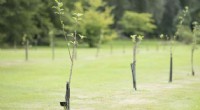
* Afforestation and reforestation: Planting trees to stabilize soil and prevent erosion.
* Windbreaks: Planting trees and shrubs around fields to reduce wind speed.
Soil erosion is a significant environmental challenge with far-reaching consequences. Understanding its causes and implementing preventive measures is crucial for maintaining healthy soil and ensuring food security for future generations.