The Process:
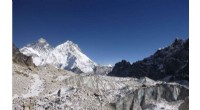
1. Moist Air Rises: As air masses approach a mountain range, they are forced to rise due to the mountain's elevation.
2. Cooling and Condensation: As the air ascends, it cools due to lower atmospheric pressure. This cooling causes the air to reach its dew point, where moisture in the air condenses into clouds and eventually precipitation (rain or snow).
3. Dry Air Descends: The air that has shed its moisture descends on the leeward side of the mountain.
4. Adiabatic Warming: As the air descends, it encounters increasing atmospheric pressure. This compression heats the air, making the leeward side warmer than the windward side.
Explanation of Key Concepts:
* Windward Side: The side of the mountain facing the prevailing wind.
* Leeward Side: The side of the mountain sheltered from the wind.
* Dew Point: The temperature at which the air becomes saturated with water vapor and condensation begins.
* Adiabatic Process: A process that occurs without heat exchange between the system and its surroundings. In this case, the air warming on the leeward side is due to compression, not the addition of external heat.
In summary: The windward side of a mountain receives more moisture and experiences higher rainfall, while the leeward side is drier and warmer due to the descending, compressed, and heated air.
Examples:
* The rain shadow effect on the eastern slopes of the Sierra Nevada mountains in California.
* The dry conditions of the Great Basin in the western United States, which is located in the rain shadow of the Sierra Nevada.