An environmental hazard is any natural or human-made factor that can potentially cause harm to human health, property, or the environment. These hazards can exist in the air, water, soil, or even within our bodies. They can be acute (short-term, sudden) or chronic (long-term, gradual), and they can have a wide range of impacts.
Here's a breakdown of key aspects:
Types of Environmental Hazards:
* Natural Hazards: These are caused by natural processes like:
* Geological Hazards: Earthquakes, volcanic eruptions, landslides, tsunamis
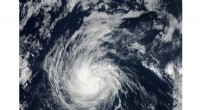
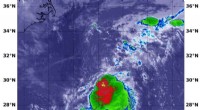
* Meteorological Hazards: Hurricanes, tornadoes, floods, droughts, heat waves
* Biological Hazards: Infectious diseases, pests, venomous animals
* Human-Made Hazards: These are caused by human activities, including:
* Pollution: Air, water, soil, noise pollution
* Chemical Hazards: Toxic chemicals, pesticides, heavy metals
* Physical Hazards: Radiation, noise, extreme temperatures
* Biological Hazards: Genetically modified organisms, antibiotic-resistant bacteria
* Infrastructure Hazards: Dam failures, oil spills, nuclear accidents
Impacts of Environmental Hazards:
* Health Impacts: Respiratory problems, cardiovascular disease, cancer, allergies, infectious diseases, mental health issues
* Property Damage: Destruction of homes, businesses, infrastructure
* Economic Impacts: Job losses, loss of tourism, increased healthcare costs
* Environmental Impacts: Loss of biodiversity, climate change, soil degradation, water pollution
Addressing Environmental Hazards:
* Prevention: Reducing the risk of hazards through measures like land-use planning, building codes, and pollution control
* Mitigation: Reducing the impact of hazards through measures like early warning systems, disaster preparedness, and emergency response
* Adaptation: Adjusting to the impacts of hazards that cannot be prevented or mitigated, such as sea-level rise or extreme weather events
It's important to understand:
* Environmental hazards can be interconnected, such as climate change leading to more extreme weather events.
* The vulnerability of individuals and communities to hazards can vary based on factors like socioeconomic status, age, and location.
* Sustainable development aims to reduce environmental hazards and their impacts while promoting economic growth and social equity.
Examples of Environmental Hazards:
* Air pollution from vehicle emissions and industrial activities can cause respiratory problems.
* Deforestation can lead to soil erosion, landslides, and loss of biodiversity.
* Climate change is increasing the frequency and intensity of extreme weather events, leading to widespread damage and displacement.
Understanding and managing environmental hazards is essential for protecting human health, the environment, and our future.