Within living organisms:
* Organic molecules: Carbon is the primary building block of all organic molecules, including carbohydrates, lipids, proteins, and nucleic acids. These molecules are essential for the structure, function, and energy production of all living organisms.
* Cells: Carbon is found in every cell of every living organism, from the smallest bacteria to the largest whales.
Beyond living organisms:
* Atmosphere: Carbon dioxide (CO2) is a major component of the atmosphere, playing a crucial role in the greenhouse effect.
* Oceans: The ocean is a massive carbon sink, absorbing a significant amount of CO2 from the atmosphere. This carbon is found dissolved in the water, as well as in the bodies of marine organisms.
* Soil: Soil contains a large amount of carbon stored in the form of dead organic matter, such as decaying leaves and roots.
* Fossil fuels: Fossil fuels like coal, oil, and natural gas are formed from the remains of ancient plants and animals over millions of years, making them a significant carbon reservoir.
Carbon's constant movement:
It's important to remember that carbon is not static. It cycles through the biosphere through various processes, including:
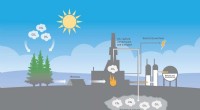
* Photosynthesis: Plants take in CO2 from the atmosphere and convert it into organic molecules.
* Respiration: All living organisms release CO2 back into the atmosphere through respiration.
* Decomposition: When organisms die, they decompose, releasing carbon back into the soil and atmosphere.
In summary: Carbon is found in every part of the biosphere, both within living organisms and in the environment surrounding them. It is a vital element for life and plays a crucial role in the Earth's climate system.