General Environmental Issues:
* Water Quality Analysis: Investigate the water quality of a local water source (river, lake, etc.) by testing for various parameters like pH, dissolved oxygen, turbidity, and presence of pollutants.
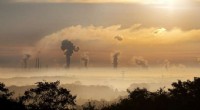
* Air Quality Monitoring: Monitor air quality in a specific location by measuring parameters like particulate matter, ozone, and carbon monoxide. Analyze the impact of human activities on air quality.
* Waste Management Practices: Study the waste management practices in your community. Evaluate the effectiveness of recycling, composting, and landfill operations. Propose improvements.
* Biodiversity Assessment: Conduct a biodiversity assessment of a local ecosystem (forest, park, etc.) by identifying and quantifying different species present. Analyze the factors affecting biodiversity.
* Climate Change Impact: Research the impact of climate change on a specific local environment. Analyze the effects on flora, fauna, and human communities.
Specific Environmental Issues:
* Impact of Plastic Pollution on Marine Life: Investigate the impact of plastic pollution on marine organisms and ecosystems. Analyze the methods of plastic mitigation.
* Effects of Deforestation on Soil Erosion: Study the link between deforestation and soil erosion. Analyze the impact on water quality and land productivity.
* Sustainable Agriculture Practices: Research and evaluate different sustainable agricultural practices like organic farming, permaculture, and agroforestry.
* Renewable Energy Sources: Analyze the potential of renewable energy sources (solar, wind, hydro) in your region. Investigate their feasibility and economic viability.
* Noise Pollution Impact on Wildlife: Study the impact of noise pollution on wildlife behavior and habitat. Analyze the effects of human activities on animals.
Research and Innovation:
* Bioremediation of Contaminated Soil: Investigate the use of microorganisms to clean up contaminated soil. Analyze the effectiveness of different bioremediation techniques.
* Developing Biodegradable Packaging: Research and develop biodegradable packaging materials from renewable resources to reduce plastic waste.
* Using Nanotechnology for Environmental Cleanup: Explore the use of nanotechnology to remove pollutants from water and soil. Analyze the feasibility and effectiveness of this approach.
* Building Green Infrastructure: Study the implementation of green infrastructure in urban areas to improve air quality, reduce flooding, and enhance biodiversity.
* Creating a Sustainable Living Guide: Develop a comprehensive guide on sustainable living practices for individuals and communities.
Remember:
* Choose a project that interests you and aligns with your skills.
* Consider the resources available to you, including time, materials, and expertise.
* Be prepared to collect data, analyze results, and draw conclusions.
* Communicate your findings effectively through a report, presentation, or website.
This list is just a starting point. There are many other exciting and relevant environmental issues to explore. Get creative, be curious, and make a difference!