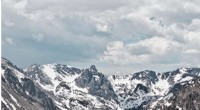
1. Diverse Topography:
* Mountains: The West's towering mountain ranges create microclimates with varied temperatures, precipitation, and sunlight. This supports a range of ecosystems, from alpine meadows to coniferous forests to desert scrub.
* Valleys: Valleys between mountains often have different climates, with warmer temperatures and less precipitation, supporting grasslands, shrublands, and desert ecosystems.
* Plateaus: Extensive plateaus in the West experience a distinct blend of climate and elevation, supporting diverse vegetation like sagebrush steppe, pinyon-juniper woodlands, and high-elevation grasslands.
2. Varied Precipitation Patterns:
* Rain Shadow Effect: The West's mountain ranges block moisture-laden winds, creating rain shadows on their eastern slopes, leading to drier conditions and different plant communities.
* Seasonal Variation: Precipitation in the West can be highly seasonal, with wet winters and dry summers, leading to adaptations in plants like drought tolerance and quick growth cycles.
3. Wide Range of Soil Types:
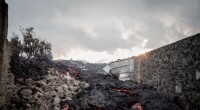
* Volcanic Soils: Soils formed from volcanic eruptions are rich in minerals but often acidic, supporting specific vegetation like lodgepole pine forests.
* Clay Soils: These soils hold water well but can be prone to compaction, supporting grasslands and shrublands.
* Sandy Soils: Well-drained sandy soils are common in desert areas and support drought-tolerant plants like cacti and yucca.
4. Elevation:
* High Altitudes: At higher elevations, harsh conditions with cold temperatures, strong winds, and short growing seasons favor low-lying vegetation like alpine meadows and dwarf trees.
* Low Altitudes: Lower elevations experience warmer temperatures and more rainfall, supporting a variety of trees, shrubs, and grasses.
5. Historical Events:
* Glaciations: Past glaciations sculpted the landscape, creating valleys, lakes, and diverse habitats.
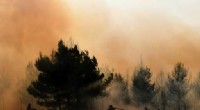
* Fire: Natural wildfires have historically played a role in shaping vegetation, with some species adapted to fire and even needing it for regeneration.
6. Human Impacts:
* Agriculture: Land use changes, including agriculture and grazing, have impacted the native vegetation and introduced non-native species.
* Urbanization: Development and urban sprawl have fragmented habitats and altered natural vegetation patterns.
7. Climate Change:
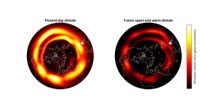
* Warming Temperatures: Rising temperatures and shifting precipitation patterns are impacting vegetation distribution and favoring drought-tolerant species.
* Droughts: More frequent and severe droughts are stressing ecosystems and altering plant communities.
These factors all contribute to the incredible diversity of plant life in the American West, creating a unique and fascinating landscape.