1. Surface Water:
* Rivers and Lakes: These are the most common sources of drinking water for many communities. Water is collected from these sources and treated to remove impurities before being distributed.
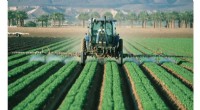
* Reservoirs: These are artificial lakes created by damming rivers. They provide a reliable source of water for urban areas and agriculture.
2. Groundwater:
* Aquifers: These are underground layers of rock or soil that hold water. Wells are drilled into aquifers to extract this water. Groundwater is often naturally filtered and can be a good source of drinking water.
3. Other Sources:
* Rainwater Harvesting: Collecting rainwater in tanks and cisterns for later use.
* Desalination: Treating saltwater from the ocean to make it drinkable. This process is expensive and energy-intensive, but it's becoming more common in water-scarce areas.
* Recycled Water: Treating wastewater from homes and industries to make it suitable for non-potable uses like irrigation or industrial processes.
The journey of water:
* Rainwater falls on the earth and flows into rivers, lakes, and eventually the ocean.
* Some of this water infiltrates the ground, replenishing aquifers.
* Water is extracted from these sources, treated, and distributed to homes, businesses, and industries.
* After use, wastewater is collected and treated before being discharged back into the environment.
The importance of water conservation:
Water is a precious resource, and it's essential to use it wisely. Conserving water helps to:
* Protect water resources: By reducing demand, we can help to ensure there is enough water for everyone.
* Preserve ecosystems: Water is vital for all life on Earth. Conserving water helps to protect the health of our rivers, lakes, and oceans.
* Reduce pollution: Treating wastewater is energy-intensive and expensive. By reducing our water consumption, we can reduce the amount of wastewater that needs to be treated.