Weathering:
* Frost Wedging: Water seeps into cracks in rocks, freezes and expands, breaking the rock apart. This is common in mountainous regions with freeze-thaw cycles.
* Exfoliation: Large sheets of rock peel away from the surface, often due to the expansion and contraction of the rock caused by temperature changes. This is common in deserts and other arid regions.
* Abrasion: Rocks and sediment are carried by wind, water, or ice and grind against other rocks, wearing them down. This can create smooth, rounded rocks and canyons.
* Biological weathering: Plants, animals, and microorganisms can break down rocks through root growth, burrowing, or the release of acids. This is especially evident in areas with dense vegetation or animal populations.
Erosion:
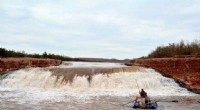
* River Erosion: Water flowing in rivers and streams carries sediment downstream, carving out riverbeds, valleys, and canyons. The Grand Canyon is a prime example of river erosion.
* Glacial Erosion: Massive glaciers carve out U-shaped valleys, create cirques, and transport rocks and sediment over long distances.
* Wind Erosion: Wind carries sand and dust, eroding rock surfaces and forming sand dunes. This is common in deserts and coastal areas.
* Coastal Erosion: Waves and tides wear down coastlines, creating cliffs, beaches, and inlets. This is a constant process that shapes coastlines.
* Mass Wasting: Gravity pulls rocks and soil downhill, creating landslides, slumps, and debris flows. This is often triggered by heavy rain or earthquakes.
Examples combining Weathering and Erosion:
* Caves: Weathering by acidic rainwater dissolves limestone, creating caves and caverns. Erosion by groundwater then shapes the cave formations.
* Badlands: Arid environments with exposed sedimentary rock experience intense weathering and erosion, creating dramatic landscapes with steep slopes and canyons.
* Sand Dunes: Wind erosion carries sand grains, depositing them in piles and shaping them into dunes. Weathering by wind and sand abrasion then continues to modify the dunes.
These are just a few examples, and the specific processes involved in weathering and erosion can be quite complex and varied. Observing these processes in nature provides a fascinating glimpse into the constant reshaping of the Earth's surface.