1. Drinking Water and Irrigation:
* Freshwater: Rivers, lakes, groundwater, and ice are the primary sources of freshwater for drinking, agriculture, and industrial use.
* Irrigation: Water is crucial for growing crops, ensuring food security, and sustaining agriculture.
2. Energy and Transportation:
* Hydropower: Dams harness the flow of rivers to generate electricity, providing a renewable energy source.
* Navigation: Oceans, rivers, and canals facilitate trade, transportation of goods, and travel.
3. Climate Regulation and Weather Patterns:
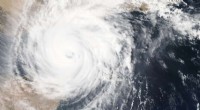
* Evaporation and Precipitation: The hydrosphere plays a vital role in the global water cycle, influencing weather patterns, rainfall distribution, and climate regulation.
* Moderating Temperatures: Water has a high heat capacity, helping regulate temperatures and preventing extreme temperature fluctuations.
4. Biological Resources and Ecosystems:
* Aquatic Life: Oceans, lakes, and rivers support diverse ecosystems, providing habitats for fish, marine mammals, and other aquatic organisms.
* Biodiversity: The hydrosphere contributes significantly to global biodiversity, with diverse species found in various water bodies.
5. Economic Activities and Recreation:
* Tourism: Coastal areas, beaches, lakes, and rivers attract tourists, supporting tourism industries and generating revenue.
* Fishing and Aquaculture: Oceans and inland waters provide a source of food, employing millions in fishing and aquaculture industries.
6. Other Resources:
* Mineral Resources: Oceans contain vast reserves of minerals, including oil, gas, and other resources.
* Salt Extraction: Salt is harvested from seawater and used in various industries and for human consumption.
Challenges and Sustainability:
Despite its abundance, the hydrosphere faces increasing challenges due to pollution, overuse, and climate change. Sustainable management of water resources is crucial to ensure their availability for future generations.
Overall, the hydrosphere is a vital component of Earth's system, providing numerous resources essential for life and human society. Responsible management and conservation efforts are crucial to protect this precious resource for future generations.