While the term "ice age" can encompass longer periods of glacial expansion, let's focus on the last glacial maximum (LGM), which occurred around 20,000 years ago, for a direct comparison with today's climate:
Key Differences:
* Global Temperature: During the LGM, the global average temperature was about 6°C (11°F) colder than today. This resulted in vast ice sheets covering much of North America, Europe, and Asia.
* Sea Levels: With water locked up in ice, sea levels were about 120 meters (394 feet) lower than today. This exposed vast areas of land that are now submerged.
* Climate Zones: The climate zones were shifted significantly. Regions that are currently temperate were much colder, while desert regions were even drier.
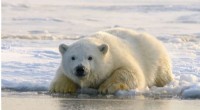
* Plant and Animal Life: The LGM witnessed different flora and fauna adapted to colder conditions. Mammals like woolly mammoths, saber-toothed cats, and giant sloths thrived, while many modern species, like polar bears, were restricted to smaller areas.
* Atmospheric Composition: During the LGM, the concentration of greenhouse gases like carbon dioxide was significantly lower than today. This further contributed to the colder temperatures.
Similarities:
* Natural Cycles: Both today's climate and the LGM were influenced by natural cycles like Milankovitch cycles, which affect the amount of solar radiation reaching the Earth.
* Polar Ice Caps: While significantly larger during the LGM, polar ice caps exist in both periods, playing a crucial role in regulating Earth's climate.
Current Situation:
* Human Impact: Today's climate is experiencing rapid warming due to human activities, primarily the emission of greenhouse gases. This rate of change is unprecedented in Earth's history.
* Future Uncertainties: The extent of future climate change and its impact on the planet are still uncertain, but scientific projections indicate significant changes in weather patterns, sea levels, and ecosystems.
In Conclusion:
The LGM represents a starkly different climate compared to today. However, both periods share some natural cycles and the significance of polar ice caps. Today's climate is experiencing rapid warming driven by human activity, making it a unique period in Earth's history with potentially drastic consequences.