At Home:
* Cooking: Understanding the chemical reactions that happen when you bake, or the physics of how heat transfers through your oven.
* Cleaning: The science behind cleaning products and how they break down dirt and bacteria.
* Medicine: Taking medication, understanding the science behind vaccines, and using technology like thermometers and blood pressure monitors.
* Electronics: Using computers, smartphones, TVs, and other devices that rely on complex scientific principles.
* Transportation: Driving a car (understanding physics of motion, combustion, and braking) or riding a bike (mechanics and forces at play).
Outside the Home:
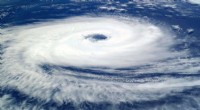
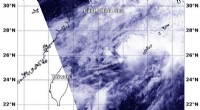
* Weather: Observing weather patterns, understanding how clouds form, and predicting the weather using scientific models.
* Nature: The biology of plants and animals, the geology of rocks and mountains, and the physics of how water flows in rivers and oceans.
* Construction: The engineering behind buildings, bridges, and roads.
* Technology: The science behind the internet, communication satellites, and countless other inventions.
* Medicine: The science behind medical research, disease prevention, and treatments.
In Your Body:
* Your Senses: Sight, sound, smell, taste, and touch are all based on complex scientific processes.
* Your Body's Processes: Your heart, lungs, brain, and other organs all operate according to scientific principles.
* Your Genes: Your DNA and heredity are governed by the laws of genetics.
In Society:
* Food Production: Agricultural science plays a huge role in growing our food.
* Energy: The science behind producing and using electricity, natural gas, and other energy sources.
* Environmental Protection: The science behind understanding and addressing climate change, pollution, and other environmental problems.
The point is, science is not just something you learn in a textbook or in a lab. It's the foundation of our world and everything around us. By recognizing the science in everyday life, you can gain a deeper appreciation for the world and how it works.