1. Biotic Factors:
* Producers: Organisms that make their own food through photosynthesis, like plants and algae.
* Consumers: Organisms that obtain energy by consuming other organisms. These can be categorized further:
* Herbivores: Eat plants.
* Carnivores: Eat other animals.
* Omnivores: Eat both plants and animals.
* Decomposers: Break down dead organisms and waste, returning nutrients to the environment. These include fungi and bacteria.
* Scavengers: Consume dead animals, but don't break them down like decomposers. Examples include vultures and hyenas.
2. Abiotic Factors:
* Physical and Chemical Components: These are non-living elements that influence the ecosystem. Examples include:
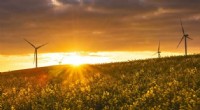
* Sunlight: Provides energy for producers.
* Temperature: Affects the rates of biological processes.
* Water: Essential for life.
* Soil: Provides nutrients and support for plants.
* Air: Provides oxygen for breathing and carbon dioxide for photosynthesis.
* Minerals: Important nutrients for plants and animals.
* pH: The acidity or alkalinity of the environment.
Beyond these basic categories, scientists may use other classifications depending on the specific ecosystem being studied:
* Trophic levels: Describes the feeding relationships within an ecosystem.
* Habitats: Specific places where organisms live within an ecosystem.
* Niche: The role an organism plays in the ecosystem, including its food sources, interactions with other species, and its impact on the environment.
* Biodiversity: The variety of life in an ecosystem.
By understanding the interactions between biotic and abiotic factors, scientists can better understand how ecosystems function, how they are impacted by human activity, and how to protect them.