Descriptive Language:
* Phenomenon: This word implies something observable but not necessarily understood. For example, "The aurora borealis is a fascinating phenomenon."
* Occurrence: This emphasizes the event itself, without delving into cause. "The earthquake was a significant occurrence in the region."
* Event: This is a general term that simply states that something happened. "The volcanic eruption was a dramatic event."
Focus on Observation:
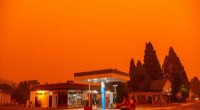
* What was observed: You can describe the details of the event without explaining its cause. "The sky turned a fiery red during the sunset."
* Sensory details: Appeal to sight, sound, smell, touch, or taste to create a vivid picture of the event. "The roar of the thunder shook the ground."
* Impact on the environment: Describe the visible effects of the event without explaining why it happened. "The hurricane left a trail of destruction in its wake."
Examples:
* "The migration of monarch butterflies is a breathtaking spectacle." (Describes the event but doesn't explain why they migrate.)
* "The geyser erupted with a powerful burst of hot water and steam." (Focuses on the observation without explaining the geological processes involved.)
* "The sudden flash flood swept through the valley, leaving behind a scene of devastation." (Describes the event and its impact but not the underlying cause.)
Remember, the goal is to provide a description of the natural event without delving into its underlying causes or explanations.