* Carbon in Plants: Plants capture carbon dioxide (CO2) from the atmosphere through photosynthesis. They use this carbon to build their structures, like leaves, stems, and roots.
* Ingestion: Animals eat plants, ingesting the carbon stored within them.
* Digestion: The animal's digestive system breaks down the plant material, releasing the carbon. Some of this carbon is used by the animal to build its own tissues and energy production.
* Respiration: The animal releases carbon dioxide (CO2) back into the atmosphere as a byproduct of respiration (breathing). This is how animals use the carbon from plants for energy.
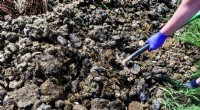
* Waste: Some of the carbon from the plant is excreted as waste, such as feces or urine. This waste can be decomposed by microorganisms, releasing carbon back into the atmosphere or into the soil.
* Decomposers: When animals die, their bodies decompose, releasing carbon back into the environment.
In summary, the carbon that was originally captured by plants is passed on to animals, used for their own needs, and eventually returned to the environment through respiration, waste, or decomposition. This cycle of carbon exchange is a fundamental part of the Earth's ecosystem.