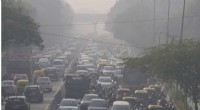
1. Climate Change: A shift in temperature, rainfall patterns, or other climatic factors can drastically alter the environment. This can lead to:
* Habitat Loss: Certain species might lose their suitable living areas due to changing temperatures or precipitation.
* Resource Scarcity: Food sources or water availability may become limited, favoring species that can adapt to the new conditions.
* New Predators/Competitors: Climate change can alter the distribution of species, leading to the introduction of new predators or competitors that put pressure on existing populations.
2. Natural Disasters: Events like volcanic eruptions, earthquakes, or wildfires can cause sudden and dramatic environmental changes. This can:
* Create New Niches: Disaster-stricken areas often have altered ecosystems, leading to the development of new niches that can be exploited by surviving species.
* Selective Pressure: Species that are better equipped to survive the disaster (e.g., fire-resistant plants, fast-reproducing organisms) have a higher chance of passing on their traits.
* Genetic Bottlenecks: A drastic reduction in population size due to disaster can lead to a loss of genetic diversity, potentially affecting the long-term survival of the species.
3. Human Activities: Human impact on the environment, including pollution, deforestation, and habitat fragmentation, has a profound effect on evolution:
* Pollution: Pollutants like heavy metals or pesticides can exert selective pressure, favoring individuals with resistance to the toxins.
* Habitat Fragmentation: Breaking up natural habitats can isolate populations, leading to genetic drift and reduced genetic diversity.
* Introduced Species: Humans can introduce new species into environments, which can become invasive and disrupt ecosystems, potentially driving the evolution of native species to adapt to the new pressures.
These examples highlight how environmental changes can serve as driving forces in evolution. They create selective pressures that favor certain traits, leading to adaptation and diversification of species over time.