Science, the pursuit of knowledge and understanding of the natural world, has undoubtedly shaped human civilization. From the discovery of fire to the invention of the internet, science has provided us with tools and innovations that have improved our lives in countless ways. Yet, it is also undeniable that scientific advancements have been responsible for devastating consequences, raising the question: is science a blessing or a curse?
The answer, like most complex issues, lies in a nuanced understanding of the multifaceted nature of scientific progress. On one hand, science has been a driving force behind countless blessings. Medical advancements have eradicated deadly diseases, increased lifespans, and alleviated suffering. Agricultural innovations have increased food production, ensuring sustenance for a growing global population. Communication technologies have connected us across continents, fostering understanding and collaboration. These are just a few examples of how science has improved our lives and created a brighter future.
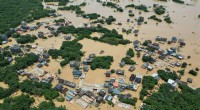
However, the pursuit of scientific knowledge also comes with inherent risks. The development of nuclear weapons, for instance, has cast a long shadow over humanity, leaving us vulnerable to catastrophic destruction. Climate change, a direct consequence of our reliance on fossil fuels, poses a dire threat to the planet's ecosystems and human civilization. The potential for misuse of powerful technologies, like artificial intelligence, raises ethical concerns about job displacement, social inequalities, and even the very nature of human existence.
It is crucial to acknowledge that science is a tool, and like any tool, its impact depends on the intentions and actions of its wielders. While science has the potential for immense good, it can also be used for destructive purposes. Therefore, the responsibility lies with us, as individuals and as a society, to ensure that scientific advancements are guided by ethical principles and used for the betterment of humanity.
Ultimately, science is neither inherently a blessing nor a curse. It is a powerful force with the capacity to shape our world for better or for worse. The real question lies in how we choose to harness its power. By fostering responsible scientific inquiry, ethical guidelines, and a collective commitment to using science for the benefit of all, we can ensure that this double-edged sword serves as a beacon of progress and not a harbinger of destruction.