* Natural Selection: This is a process where individuals with traits better suited to their environment are more likely to survive and reproduce, passing those advantageous traits on to their offspring. This leads to a gradual change in the population over time.
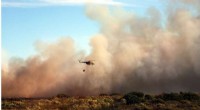
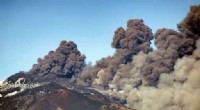
* Population Bottleneck: This is a dramatic reduction in population size due to a random event (like a disease, natural disaster, or human activity). This event is not driven by the fitness of individuals in the population.
Key differences:
* Selection: Natural selection is based on differential survival and reproduction *driven by the environment*.
* Bottleneck: Bottlenecks are random events that *reduce* population size, regardless of individual fitness.
Impact of Bottlenecks:
While not natural selection, population bottlenecks can significantly impact a population's genetic diversity. The surviving individuals may have a different allele frequency than the original population, which can lead to:
* Reduced genetic diversity: The smaller population has fewer alleles, making them more vulnerable to future environmental changes or diseases.
* Genetic drift: Changes in allele frequency due to random chance are more pronounced in smaller populations.
In summary:
Population bottlenecks are a form of genetic drift, not natural selection. They can lead to significant changes in allele frequencies, but they don't result from differential survival and reproduction based on advantageous traits.