1. Cooling Air: As the sun sets, the air temperature starts to cool down.
2. Water Vapor: The air always contains some amount of water vapor, even if it feels dry.
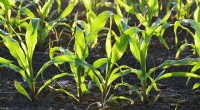
3. Cool Surface: Grass blades cool down faster than the surrounding air because they are directly exposed to the sky.
4. Saturation Point: As the air near the cool grass surface cools, it can hold less and less water vapor. Eventually, the air becomes saturated, meaning it can't hold any more water vapor.
5. Condensation: When the air can't hold any more water vapor, the excess moisture condenses onto the cool grass blades, forming tiny droplets of water – dew.
Key Points:
* Warm air holds more moisture than cold air.
* Condensation happens when the air cools to its dew point, the temperature at which the air becomes saturated.
* Dew is most common on clear nights, as clouds trap heat and prevent the ground from cooling as rapidly.
Let me know if you'd like to know more about dew or any other weather phenomena!