1. Making Informed Decisions:
* Health: Knowing about scientific evidence allows you to make informed choices about health practices, treatments, and dietary habits.
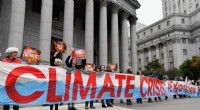
* Environment: Understanding scientific principles helps you grasp the impacts of pollution, climate change, and environmental degradation, enabling you to make responsible choices.
* Technology: Scientific literacy allows you to evaluate the potential benefits and risks of new technologies, like genetically modified foods or artificial intelligence.
2. Solving Problems Effectively:
* Critical Thinking: Scientific thinking encourages you to question assumptions, analyze data, and draw conclusions based on evidence, which are valuable skills for problem-solving in all areas of life.
* Innovation: Understanding scientific principles fosters creativity and enables you to identify new solutions and approaches to challenges.
3. Engaging in Informed Discourse:
* Media Literacy: Scientific literacy helps you critically evaluate information presented in the media, distinguishing reliable sources from misinformation.
* Civic Engagement: Understanding science allows you to participate in discussions about important societal issues, such as public health policy, environmental regulations, and technological advancements.
4. Personal Growth and Fulfillment:
* Curiosity and Wonder: Scientific thinking cultivates a sense of curiosity about the world around us, leading to a deeper understanding and appreciation of the natural world.
* Intellectual Stimulation: Exploring scientific concepts and engaging in scientific inquiry is intellectually stimulating and enriching.
5. A More Sustainable Future:
* Resource Management: Scientific understanding allows us to make informed choices about resource usage, minimizing waste and promoting sustainability.
* Global Challenges: Addressing complex global challenges like climate change and food security requires a scientific approach.
In essence, understanding scientific principles and thinking scientifically empowers individuals to make informed decisions, solve problems effectively, engage in meaningful discourse, and contribute to a more sustainable and equitable future.