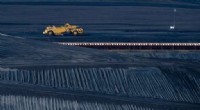
Temperature:
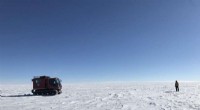
* Extremely cold: Tundra regions experience very low temperatures for most of the year. Average winter temperatures can range from -20°F to -60°F (-29°C to -51°C). Summers are short and cool, with average temperatures usually hovering around 37°F (3°C).
* Permafrost: One of the defining features of the tundra is permafrost, a layer of permanently frozen ground that exists below the surface. This frozen soil makes it difficult for plants to establish roots and limits the growth of trees.
Precipitation:
* Low and uneven: Tundra regions receive very little precipitation, typically less than 10 inches (250 mm) per year. This precipitation falls mainly as snow during the winter, with some rain occurring during the short summer months.
* Limited evaporation: Due to the low temperatures, evaporation rates are low, leading to high humidity levels.
Other climatic factors:
* Strong winds: Tundra regions are often subject to strong, cold winds, which can exacerbate the cold temperatures and make it difficult for plants and animals to survive.
* Limited sunshine: During the winter, the sun is low on the horizon, providing very little sunlight.
* Long periods of darkness: The tundra experiences long periods of darkness during the winter months and extended periods of daylight during the summer months.
Overall, the tundra is a challenging environment for life to thrive in due to its extreme cold, low precipitation, and other harsh climatic conditions.