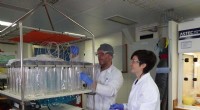
1. Materials:
* Physical materials: These are the tangible things you use to conduct your experiment. This could include:
* Chemicals (acids, bases, salts)
* Biological materials (plants, animals, bacteria)
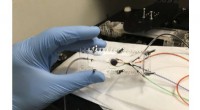
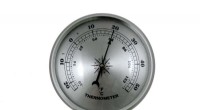
* Equipment (test tubes, beakers, microscopes, scales, thermometers, etc.)
* Tools (scissors, rulers, tape, markers)
* Construction materials (cardboard, wood, plastic, fabric)
* Digital materials: These are the digital resources you use to gather information or conduct research. This could include:
* Books, articles, websites
* Software (for data analysis, graphing, etc.)
* Online databases (for scientific information, images, etc.)
2. Expertise:
* Teachers or mentors: These are people who can guide you through your project and offer expert advice.
* Scientists or professionals: If your project requires specialized knowledge, you might seek help from experts in the field.
* Other students: Collaborating with classmates can help you brainstorm ideas and solve problems.
3. Funding:
* Personal funds: You may need to use your own money to purchase materials or pay for project-related expenses.
* Grants or scholarships: Some science fairs offer funding opportunities for projects.
* Fundraisers: You can organize fundraisers to support your project.
4. Time:
* Planning time: Dedicate time to research, design your experiment, and develop a timeline.
* Experimentation time: Allocate time for collecting data, analyzing results, and writing your report.
* Presentation time: Practice your presentation and prepare for the science fair.
5. Other:
* Access to facilities: You may need access to a laboratory, workshop, or other facilities.
* Safety equipment: Make sure you have the necessary safety equipment for handling hazardous materials or conducting potentially risky experiments.
* Transportation: You may need transportation to and from locations where you are conducting your research or accessing materials.
By carefully planning and acquiring the necessary resources, you can ensure that your science fair project is successful and enjoyable.