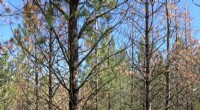
Amber is fossilized tree resin, a sticky substance produced by certain trees as a defense mechanism against injuries or infections. Over millions of years, this resin hardens and becomes trapped in sedimentary rock. While it's beautiful and sought after for jewelry, amber is also incredibly valuable to science, offering a glimpse into Earth's prehistoric past.
Why Amber is Important to Science:
1. Preserves Ancient Life:
Amber is famous for its inclusions, small organisms that became trapped in the resin. These can be insects, spiders, plants, even small reptiles or amphibians! These perfectly preserved specimens provide invaluable information about ancient ecosystems, biodiversity, and evolution.
* Understanding Ancient Ecosystems: Inclusions reveal the types of plants and animals that existed in a particular time and place.
* Studying Evolution: By comparing ancient insects to their modern counterparts, scientists can trace evolutionary pathways and understand how organisms have changed over time.
* Behavioral Clues: Trapped animals can be caught mid-action, revealing behaviors such as mating, fighting, or hunting.
2. Preserves Ancient Environments:
Amber provides insights into ancient climates and environments.
* Paleoclimate: The chemical composition of amber can reveal information about ancient temperatures, rainfall, and atmospheric conditions.
* Fossil Pollen: Amber often contains pollen grains, offering clues about the types of plants that grew in the area.
3. Studying Ancient Chemistry:
Amber itself contains valuable chemical information.
* Organic Compounds: Amber's composition can reveal information about the type of tree that produced it and the ancient environment.
* Biomarkers: Scientists can analyze the chemicals in amber to understand ancient ecosystems and biological processes.
4. Medical Applications:
Amber's unique chemical properties have led to its use in traditional medicine, and modern research is exploring its potential for treating various conditions.
In Conclusion:
Amber, a seemingly ordinary fossilized resin, is a remarkable treasure trove of scientific information. It allows us to peer back millions of years, offering a glimpse into the past that helps us understand Earth's history, biodiversity, and the evolution of life. It continues to amaze and inspire scientists, revealing new secrets about our planet's rich history.