1. Understanding Resource Use and Depletion:
* Demand: Human societies have increasing demands for resources like water, energy, timber, minerals, and land. Understanding the drivers of this demand (population growth, economic development, changing lifestyles) is crucial for anticipating and managing future resource use.
* Supply: The Earth has finite resources. The supply of these resources can be impacted by factors like:
* Renewable Resources: Limited regeneration rates of forests, fisheries, or freshwater sources.
* Non-renewable Resources: Depletion of fossil fuels, minerals, and other finite resources.
2. Pricing Environmental Goods and Services:
* Market Failures: The environment often provides essential services (clean air, water filtration, pollination) that are not readily bought and sold in traditional markets. This can lead to their overuse or degradation.
* Valuation: Supply and demand can help economists assign monetary value to these services, making them more visible and facilitating better decision-making. This is crucial for incorporating environmental costs into economic activities.
3. Policy and Regulation:
* Resource Allocation: Understanding supply and demand dynamics helps policymakers establish efficient resource allocation policies, such as:
* Conservation Efforts: Protecting endangered species, managing fisheries, or conserving water resources.
* Pollution Control: Implementing regulations to reduce emissions and pollution based on the costs and benefits of different options.
* Market-Based Incentives: Policies like carbon taxes or cap-and-trade systems utilize supply and demand principles to incentivize cleaner technologies and behaviors.
4. Sustainability and Environmental Economics:
* Sustainable Consumption: Understanding how demand influences resource use and environmental impact is essential for promoting sustainable consumption patterns.
* Resource Efficiency: Encouraging innovation and technological advancements to increase resource efficiency and reduce waste.
* Cost-Benefit Analysis: Supply and demand principles can be used to analyze the costs and benefits of different environmental protection measures.
Examples:
* Climate Change: The demand for fossil fuels drives climate change. Supply and demand analysis can guide policy decisions to transition to renewable energy sources.
* Deforestation: Demand for timber, agricultural land, and other resources leads to deforestation. Understanding these dynamics helps implement policies to protect forests and promote sustainable forestry.
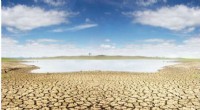
* Water Scarcity: Growing demand for water in urban areas and for agriculture can lead to water scarcity. Supply and demand principles are essential for water management and allocating this precious resource.
Conclusion:
Supply and demand are powerful tools for understanding how human activities impact the environment. By applying these principles, we can develop informed policies and strategies to promote environmental sustainability and responsible resource management for future generations.