Rainforests:
* Climate: Characterized by high rainfall (over 80 inches per year) and consistently warm temperatures.
* Vegetation: Dense, multi-layered canopy of tall trees, with a diverse understory of shrubs, vines, ferns, and other plants. Trees often have broad leaves and shallow root systems.
* Wildlife: High biodiversity, including a vast array of insects, amphibians, reptiles, birds, and mammals. Many animals are arboreal, living in the trees.
* Location: Found in tropical and equatorial regions around the world, near the equator.
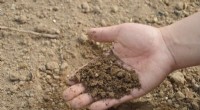
* Soil: Poor in nutrients due to rapid decomposition and leaching.
Grasslands:
* Climate: Characterized by moderate rainfall (between 10 and 30 inches per year) and distinct seasons with warm summers and cold winters.
* Vegetation: Dominated by grasses, with scattered trees and shrubs. Grasses are typically tall and have deep root systems.
* Wildlife: Diverse populations of grazing herbivores, such as bison, zebra, and antelope, as well as predators like lions, wolves, and cheetahs.
* Location: Found on every continent except Antarctica, typically in the interiors of continents or where rainfall is limited.
* Soil: Rich in nutrients due to the decomposition of grasses and the absence of dense tree cover.
Here's a table summarizing the key differences:
| Feature | Rainforest | Grassland |
|--------------|-----------------------------|-----------------------------|
| Climate | High rainfall, warm | Moderate rainfall, distinct seasons |
| Vegetation | Dense, tall trees, diverse understory | Dominated by grasses, scattered trees |
| Wildlife | High biodiversity, many arboreal | Grazing herbivores, predators |
| Location | Tropical/equatorial regions | Interior continents, limited rainfall areas |
| Soil | Poor in nutrients | Rich in nutrients |
In essence, rainforests are lush and humid with a dense, complex ecosystem, while grasslands are open and dry with a more simplified ecosystem focused on grazing.