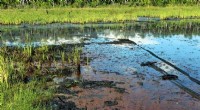
* Producers: Producers are the foundation of any ecosystem. They are organisms like plants and algae that use sunlight to create their own food through photosynthesis. They convert sunlight into chemical energy, which fuels the entire ecosystem.
* Herbivores: Herbivores are animals that eat producers (plants). They are essential because they consume the energy stored in producers, making it available to other parts of the food chain. Without herbivores, producers would overgrow and the ecosystem would become unbalanced.
* Carnivores: Carnivores are animals that eat other animals (herbivores or other carnivores). They help control populations of herbivores, preventing them from overgrazing and damaging the ecosystem. Carnivores also play a vital role in nutrient cycling by breaking down the bodies of dead animals.
The Interdependence of Food Chains:
Think of an ecosystem like a chain.
* Producers are the first link, providing the energy base.
* Herbivores are the second link, consuming the energy from producers.
* Carnivores are the third or higher links, consuming the energy from herbivores.
Why the Ecosystem Needs All of Them:
* Energy Flow: Energy moves through the ecosystem as organisms eat and are eaten.
* Population Control: Predators (carnivores) keep herbivore populations in check. Without predators, herbivores could overpopulate and destroy the environment.
* Nutrient Cycling: Carnivores and decomposers (like bacteria and fungi) break down dead organisms, returning vital nutrients to the soil for producers to use.
In short: Producers, herbivores, and carnivores are all interconnected and essential for a balanced and healthy ecosystem. Each plays a crucial role in the flow of energy, the control of populations, and the recycling of nutrients.