Cultural Adaptations:
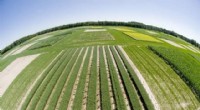
* Agriculture: Kenyans have developed diverse agricultural practices adapted to different climatic zones. In the highlands, they cultivate crops like coffee, tea, and vegetables, while in the drier areas, they practice pastoralism, raising cattle, goats, and sheep.
* Housing: Traditional housing styles reflect the local environment. In the hot and dry areas, houses are often made of mud and have small windows for cooling. In the highlands, houses are typically made of wood and have larger windows.
* Food and Diet: Kenyans have developed a varied diet based on locally available foods. In the highlands, staple foods include maize, beans, and potatoes. In the lowlands, people rely more on livestock products and grains like sorghum and millet.
* Social Structures: Kenyan communities have developed unique social structures that foster cooperation and resilience. Extended family systems provide support and resources, while traditional rituals and ceremonies help maintain cultural identity.
Physiological Adaptations:
* Skin pigmentation: Kenyans exhibit a wide range of skin pigmentation, reflecting the different levels of sunlight exposure across the country. Lighter skin tones are found in the highlands, while darker tones are prevalent in the lowlands.
* Altitude Adaptation: People living in the Kenyan highlands have adapted to living at high altitudes. This includes increased red blood cell production, which helps them cope with thinner air and lower oxygen levels.
* Disease Resistance: Kenyans have developed resistance to certain diseases endemic to the region, such as malaria. This is partly due to genetic factors and also the development of natural immunity through exposure.
Other Adaptations:
* Resource Management: Kenyans have a deep understanding of the natural resources available to them, such as water, land, and wildlife. They have developed sustainable practices to ensure the long-term survival of these resources.
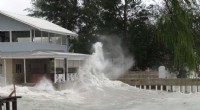
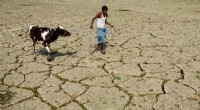
* Climate Resilience: Kenyan communities are increasingly adapting to the impacts of climate change, such as drought and flooding. They are developing strategies to mitigate these risks and build resilience.
It's important to note that these are just a few examples, and there is a great diversity of adaptation strategies among Kenyans depending on their specific location and cultural background. The adaptation process is constantly evolving, and new challenges, like climate change, continue to drive further adaptations.