1. Primary Production:
* Reduced Photosynthesis: Sunlight is the primary energy source for plants and algae (phytoplankton) in the pond. Less sunlight means reduced photosynthesis, leading to lower production of oxygen and organic matter.
* Decreased Phytoplankton Abundance: Phytoplankton are the base of the food chain in a pond ecosystem. Their decline due to reduced sunlight can disrupt the entire food web.
2. Food Web Disruption:
* Reduced Food Supply: The decline in phytoplankton leads to less food for zooplankton, small fish, and other consumers. This cascade effect can lead to population declines further up the food chain.
* Changes in Species Composition: Certain species may be more adapted to low light conditions, while others may struggle. This can shift the balance of the ecosystem, potentially favoring species less desirable for the overall health of the pond.
3. Water Quality:
* Increased Decomposition: With less phytoplankton producing oxygen, the dissolved oxygen levels in the water may decline. This can favor anaerobic bacteria, leading to increased decomposition and potentially harmful byproducts.
* Nutrient Accumulation: The decreased productivity of phytoplankton means fewer nutrients are being utilized. This can lead to an accumulation of nutrients in the water, promoting algal blooms and contributing to eutrophication.
4. Temperature and Oxygen:
* Cooler Water: Less sunlight leads to cooler water temperatures, potentially affecting the metabolic rates of organisms and the overall temperature balance of the pond.
* Reduced Oxygen Solubility: Cold water holds less dissolved oxygen, exacerbating the issue of oxygen depletion in the pond.
5. Other Impacts:
* Reduced Visibility: Less sunlight leads to reduced visibility in the water, impacting the ability of fish and other organisms to find food and avoid predators.
* Impact on Aquatic Plants: Many aquatic plants rely on sunlight for photosynthesis. Their decline can affect the habitat structure and overall health of the pond.
Examples of factors causing decreased sunlight:
* Overgrowth of algae: Algal blooms can block sunlight from reaching deeper layers.
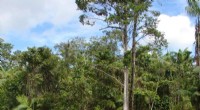
* Tree canopy: Excessive shading from trees surrounding the pond can reduce the amount of sunlight reaching the water surface.
* Sedimentation: Excessive sediment accumulation can make the water murky and block sunlight.
* Pollution: Pollution can cloud the water, making it difficult for sunlight to penetrate.
Overall, a decrease in sunlight can have a significant negative impact on the health and stability of a pond ecosystem. It is crucial to address factors that reduce sunlight penetration and ensure the pond receives adequate sunlight for proper functioning.