1. Migration and Settlement Patterns:
* Historical migrations: Different groups of people have migrated to a region over time, bringing their own cultural practices, beliefs, and languages. This can result in a mix of cultural influences.
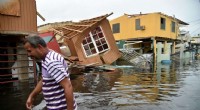
* Refugees and immigrants: Forced migration due to conflict, persecution, or environmental disasters can introduce new cultures to a region.
* Trade routes: Trade routes often lead to the exchange of goods, ideas, and cultural practices, resulting in cultural blending.
2. Geographic Features and Resources:
* Terrain and climate: Diverse landscapes and climates can support different ways of life, leading to distinct cultures. For example, a mountainous region might have a culture focused on herding, while a coastal region might have a culture centered on fishing.
* Natural resources: The availability of resources, such as fertile land, water, or minerals, can influence cultural development and practices.
3. Interactions and Interdependence:
* Trade and exchange: The exchange of goods, services, and ideas through trade can lead to cultural diffusion and hybridization.
* Political and social interactions: Interactions between different groups can result in cultural exchanges, shared practices, and even the emergence of new cultures.
* Religious influences: Different religions can spread through a region, contributing to cultural diversity.
4. Isolation and Preservation:
* Physical barriers: Mountain ranges, deserts, or bodies of water can isolate communities, allowing them to preserve unique cultural traditions.
* Cultural barriers: Language differences, social structures, or beliefs can create barriers between groups, leading to the preservation of distinct cultures.
5. Adaptation and Innovation:
* Environmental challenges: People adapt to their environment by developing unique cultural practices and technologies to survive and thrive.
* Innovation and cultural change: Cultures are constantly evolving through innovation, adaptation, and interaction with other cultures.
Example:
The Amazon rainforest, a physical region, has numerous indigenous cultures, each with distinct languages, beliefs, and practices. This diversity arises from the region's vastness, isolation, and the adaptation of different groups to its unique environment.
It's important to remember that culture is a complex and dynamic concept, shaped by a multitude of factors. A physical region's geography, history, and human interactions contribute to the vibrant tapestry of cultures it holds.