* Replenishes Surface Water: Collection gathers water that falls as precipitation (rain, snow, sleet, hail) and stores it in various places like:
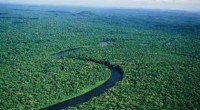
* Rivers and lakes: Provides drinking water for humans and animals, supports aquatic life, and is used for irrigation.
* Oceans: The largest water reservoir on Earth, playing a vital role in regulating climate and supporting marine ecosystems.
* Groundwater: Underground reservoirs, replenished by water seeping through the soil, providing a source of drinking water for many communities.
* Facilitates Runoff: Collection is also responsible for surface runoff, where water flows over the land, carrying sediments and nutrients, impacting the landscape and ultimately reaching the oceans.
* Provides Water for Plants: Water collected in soil is readily available for plants to absorb, allowing them to grow and support life on Earth.
* Supports Ecosystems: Collection of water in various forms provides habitats for countless organisms, from microscopic bacteria to large mammals.
In essence, collection is the process that takes water from the atmosphere and makes it accessible for use by living things and ecosystems. It plays a vital role in maintaining the balance of the water cycle and ensuring the availability of water for all life on Earth.