Food and Sustenance:
* Marine resources: The Beothuk were primarily a maritime people, relying heavily on fishing and hunting marine animals. Their diet included:
* Fish: Cod, salmon, herring, and other fish species.
* Sea mammals: Seals, whales, porpoises, and walrus.
* Shellfish: Clams, mussels, and oysters.
* Land animals: They also hunted land animals such as caribou, moose, and rabbits.
* Plants: Beothuk gathered berries, roots, and other edible plants for sustenance.
* Trees: Trees were essential for building shelter, tools, and canoes.
Materials and Tools:
* Wood: Used for canoes, houses, tools, weapons, and fuel.
* Bone and Antler: Materials for tools, weapons, and ornaments.
* Stone: Used for tools, weapons, and cooking.
* Bark and Skins: Used for clothing, shelter, and containers.
Other Resources:
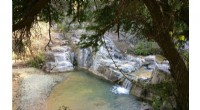
* Water: The Beothuk relied on rivers, lakes, and streams for fresh water.
* Medicinal Plants: They used various plants for medicinal purposes.
Importance of the Environment:
The Beothuk had a deep understanding of their environment and its resources. They respected the natural world and lived in harmony with it. This sustainable relationship was crucial for their survival.
Tragic Decline:
Sadly, the Beothuk people were decimated by disease, starvation, and conflict with European colonists. Their unique culture and knowledge of their environment were lost.
Note: While we have a good understanding of Beothuk resource use, it's important to remember that their knowledge was passed down orally and much of it was lost. We rely on archaeological evidence, limited historical accounts, and interpretations of these sources.