Air
* Temperature changes: Air can heat up (like on a sunny day) or cool down (like at night). This is a physical change because the composition of the air doesn't change, just its temperature.
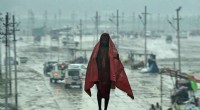
* Wind: The movement of air from areas of high pressure to low pressure is a physical change. The composition of the air doesn't change, only its location.
* Condensation: When water vapor in the air cools and changes into liquid water (like dew forming), this is a physical change. The water molecules are still present, they've just changed state.
* Evaporation: The opposite of condensation, where liquid water changes into water vapor. This is also a physical change.
* Changes in air pressure: Air pressure can fluctuate based on weather patterns. These changes are physical, as the composition of the air doesn't change.
Land
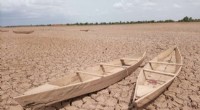
* Erosion: The wearing away of rock and soil by wind, water, or ice. This is a physical change because the composition of the rock and soil may change in size and shape, but not chemically.
* Weathering: The breakdown of rocks and minerals by physical forces like freezing and thawing of water. This is a physical change because the composition of the rock doesn't change, only its structure.
* Melting of glaciers: Glaciers melt and flow due to changes in temperature, but the water molecules themselves remain the same.
* Landslides: The movement of soil and rock down a slope is a physical change, altering the landscape but not the composition of the materials involved.
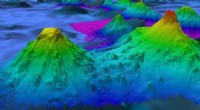
* Earthquakes: These cause shifts in the earth's crust, physically changing the landscape, but they don't change the chemical composition of the rocks and soil.
Important Note: These are physical changes because they don't involve the formation of new substances. The chemical composition of the matter remains the same, even though its physical state or appearance may change.