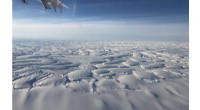
1. Types of Environments: This refers to the different physical and human environments that exist on Earth. Here are a couple of examples:
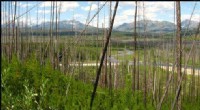
* Physical Environments: Mountains, deserts, forests, oceans, etc.
* Human Environments: Cities, rural areas, agricultural landscapes, etc.
2. Study Environments: This refers to the different contexts in which geography is studied:
* Classroom: This is the traditional setting for learning geography, involving textbooks, lectures, and discussions.
* Fieldwork: This involves direct observation and study of geographic phenomena in the real world, such as visiting a rainforest or studying a local community.
So, depending on what you're asking, the answer is either:
* Types of Environments: Physical environments and human environments.
* Study Environments: Classroom and fieldwork.
Let me know if you have any more questions!