Here's a breakdown:
How Derived Vegetation Arises:
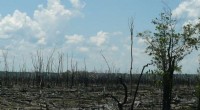
* Land Use Changes: Deforestation, agriculture, urbanization, and infrastructure development are the main drivers. They alter natural habitats, leading to the loss of native species and the introduction of non-native ones.
* Introduced Species: Humans intentionally or unintentionally introduce new plant and animal species, which can outcompete native ones and disrupt ecological balances.
* Pollution and Climate Change: Air and water pollution, along with changing climate patterns, can alter the suitability of habitats for native species, favoring the growth of adapted or invasive species.
Characteristics of Derived Vegetation:
* Lower Biodiversity: Derived vegetation usually has a reduced number of species compared to the original natural ecosystem.
* Dominance of Introduced Species: Invasive species can become dominant, replacing native species.
* Altered Structure: The physical structure of the vegetation can change. For example, forests can become more open with fewer trees, or grasslands can become dominated by non-native grasses.
* Reduced Ecosystem Services: Derived vegetation often provides fewer benefits to the environment, such as reduced carbon sequestration, pollination, and water filtration.
Examples of Derived Vegetation:
* Pastureland: Natural grasslands converted for grazing, often with introduced grasses and reduced biodiversity.
* Planted Forests: Monocultures of commercially valuable trees, lacking the diversity and complexity of natural forests.
* Urban Parks and Gardens: Highly modified landscapes with introduced plants and managed ecosystems.
Importance of Understanding Derived Vegetation:
* Conservation Efforts: Recognizing derived vegetation helps in focusing conservation efforts on restoring natural ecosystems and managing the impact of human activities.
* Ecosystem Management: Understanding the changes in vegetation can guide strategies for sustainable land use and ecological restoration.
* Climate Change Mitigation: Derived vegetation can play a role in mitigating climate change, but the effects are often less effective than those of natural ecosystems.
Overall, derived vegetation is a reminder of the significant impact humans have on the environment. Recognizing and understanding these changes is crucial for sustainable land management and the conservation of biodiversity.