1. Physical Environment:
* Atmosphere: The layer of gases surrounding the Earth, including oxygen, nitrogen, and carbon dioxide.
* Hydrosphere: All the water on Earth, such as oceans, rivers, lakes, and groundwater.
* Lithosphere: The Earth's solid, rocky outer layer, including mountains, soil, and rocks.
* Biosphere: All living organisms on Earth, including plants, animals, fungi, and bacteria.
2. Social and Cultural Environment:
* Human populations: The number and distribution of people in a particular area.
* Culture: The beliefs, values, and customs of a society.
* Social structures: The ways in which people are organized in a society, such as families, communities, and governments.
* Economy: The ways in which people produce, distribute, and consume goods and services.
* Politics: The ways in which power is exercised and decisions are made in a society.
3. Built Environment:
* Infrastructure: The physical systems that support a society, such as roads, bridges, buildings, and power grids.
* Cities and towns: Urban areas that are home to large populations of people.
* Agriculture: The cultivation of crops and the raising of livestock.
* Industry: The production of goods and services using technology and machinery.
4. Other Components:
* Climate: The long-term patterns of weather in a particular region.
* Weather: The short-term conditions of the atmosphere, such as temperature, precipitation, and wind.
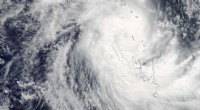
* Natural disasters: Extreme events, such as earthquakes, hurricanes, and floods.
* Pollution: The contamination of the environment with harmful substances.
The environment is a complex and interconnected system, and all of its components interact with each other in various ways. Understanding the environment is crucial for ensuring the sustainability and well-being of our planet and its inhabitants.