1. Environmental Costs:
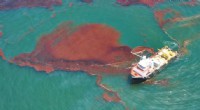
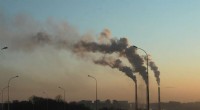
* Pollution: Air and water pollution can be caused by human activities, degrading their quality and making them unsuitable for use. This pollution cleanup comes at a cost.
* Climate Change: Greenhouse gas emissions contribute to climate change, which can lead to extreme weather events, rising sea levels, and other environmental consequences, impacting the availability and quality of sunlight, air, and seawater.
* Depletion of Resources: Overfishing can deplete fish stocks in seawater, while excessive deforestation can reduce the amount of sunlight reaching the ground.
2. Economic Costs:
* Infrastructure: Access to clean water requires infrastructure like water treatment plants and distribution systems, which are costly to build and maintain. Similarly, accessing sunlight for solar power requires infrastructure like solar panels and power grids.
* Maintenance and Repair: Maintaining the quality of air and water resources requires continuous monitoring, cleaning, and repair of damaged ecosystems.
* Opportunity Costs: Using sunlight for energy production might displace other economic activities, leading to opportunity costs.
3. Social Costs:
* Health Issues: Poor air quality can lead to respiratory problems, while polluted water can cause diseases.
* Equity and Access: Not everyone has equal access to clean air, water, and sunlight. For example, people living in densely populated areas or marginalized communities may experience higher levels of pollution and limited access to clean resources.
4. Scarcity:
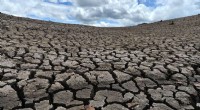
* Water Scarcity: In some regions, water resources are scarce due to drought or overuse, making water a valuable commodity.
* Sunlight Availability: The availability of sunlight varies depending on location, weather conditions, and time of day. This can affect the effectiveness of solar power generation.
5. Exploitation:
* Overfishing: Overfishing can deplete fish stocks, harming marine ecosystems and impacting the availability of seafood.
* Land Grab: Large-scale land acquisitions can displace local communities and limit their access to sunlight, air, and water.
Therefore, while sunlight, air, and seawater are essential for life and often seen as free goods, their use and availability come with various costs, both economic and social. It is crucial to consider these costs and manage these resources sustainably to ensure their long-term availability for everyone.